When the dispatch phone rings, you don’t always know exactly what you’re walking into. It could be a pristine luxury sedan with a dead battery, a crumpled SUV with locked wheels, or a contractor needing a skid steer moved across town.
In this industry, the ability to say “yes” to a job comes down to the equipment parked in your lot. While integrated wreckers are essential for recovery work, the rollback tow truck (also referred to as a “flatbed” or “carrier”) is the daily workhorse that keeps revenue flowing.
For towing operators and fleet managers, understanding the full scope of what a rollback tow truck is capable of is the key to maximizing the efficiency of your business.
If you are relying solely on hook-and-chain or wheel-lift trucks, you might be turning away profitable jobs or risking damage claims on modern vehicles. A quality rollback carrier changes that dynamic, offering a safe, secure platform for almost any load that fits on the deck.
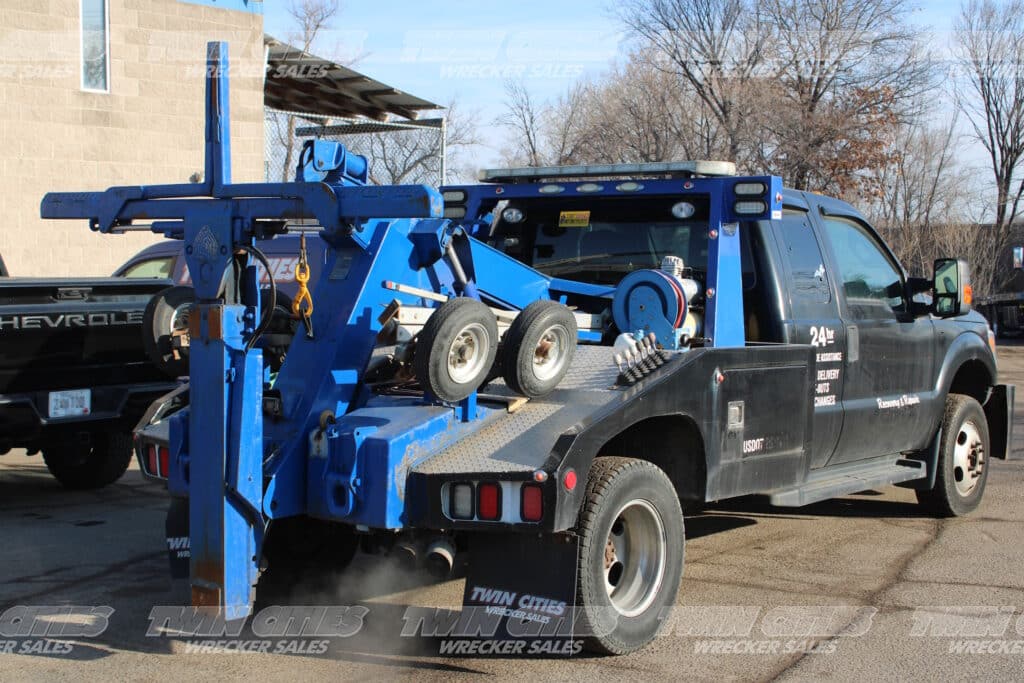
Safely Transport Modern Cars and Severely Damaged Vehicles
The primary purpose of a rollback tow truck is to transport vehicles completely off the ground. This sounds simple, but the implications for your business are huge.
Modern vehicle manufacturing has shifted heavily toward All-Wheel Drive (AWD) and Four-Wheel Drive (4WD) systems. Towing these vehicles with two wheels on the ground can destroy a transmission or viscous coupling in miles. A rollback eliminates this risk entirely by lifting the vehicle onto the hydraulic bed, ensuring the drivetrain remains stationary during transport.
Beyond drivetrain safety, rollbacks are the only responsible choice for severely damaged vehicles. When a car has been in a significant collision, the suspension may be compromised, or wheels might be missing altogether.
A traditional wrecker would struggle to tow such a vehicle without causing further damage or creating a safety hazard on the road. With a rollback, the operator can winch the casualty onto the deck, secure it with four-point tie-downs, and transport it without worry.
These trucks also open up revenue streams outside of standard automotive towing. The flat deck is perfect for moving light equipment like forklifts, scissor lifts, and small tractors. Because the bed angle is adjustable, operators can load equipment with low ground clearance without scraping the undercarriage, a frequent issue with standard trailers.
Custom Built for You
We build trucks to your exact specs so you are ready for any job site.
Keep It Running
From hydraulic cylinders to winch cables, our parts department keeps your carrier operational.
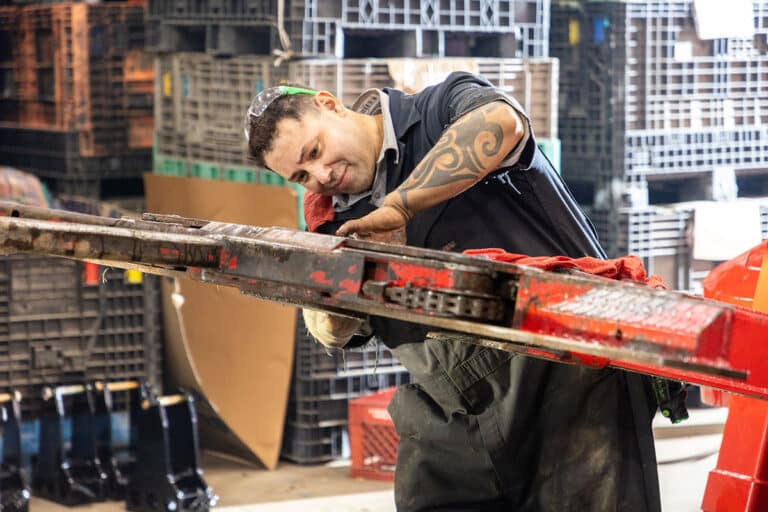
Quality Engineering That Withstands the Grind
When you invest in a rollback from Twin Cities Wrecker Sales, you are getting equipment designed to withstand the punishment of daily commercial use. We partner with industry leaders to provide a wide range of carriers, and every vehicle that leaves our lot meets the high standards we’d expect for our own use.
Users can expect a focus on durability where it counts. Whether you choose a steel deck for heavy-duty abrasion resistance or an aluminum deck for weight savings and payload maximization, the engineering remains consistent. You get high-performance hydraulic systems that operate smoothly in Minnesota winters and durable subframes that handle the stress of loading and unloading thousands of times over the truck’s lifespan.
We also ensure the chassis matches the body. A rollback is only as good as the truck under it, which is why we spec our chassis—whether International, Ford, or Kenworth—with the right gross vehicle weight rating (GVWR) and suspension setup to handle the center-of-gravity shifts that occur during loading. This attention to technical detail means your drivers experience better stability on the highway and less fatigue at the end of a shift.
Build a Reputation for Professionalism and Safety
Adding the right rollback to your fleet improves your capacity and opens up new avenues for revenue, but it also upgrades your company’s image.
When a customer sees their high-value vehicle securely strapped to a flatbed rather than dangling from a hook, they feel more confident in your service. You reduce the liability of potential damage claims and increase the speed at which you can clear accident scenes.
Stop worrying about whether your current trucks can handle the next call.
Twin Cities Wrecker Sales provides versatile, reliable, and durable rollbacks to clients all across Minnesota. If you’re ready to position your business as the go-to solution for everything from exotic car transport to heavy-duty recovery support, a rollback tow truck is the best purchase you can make for your company.