

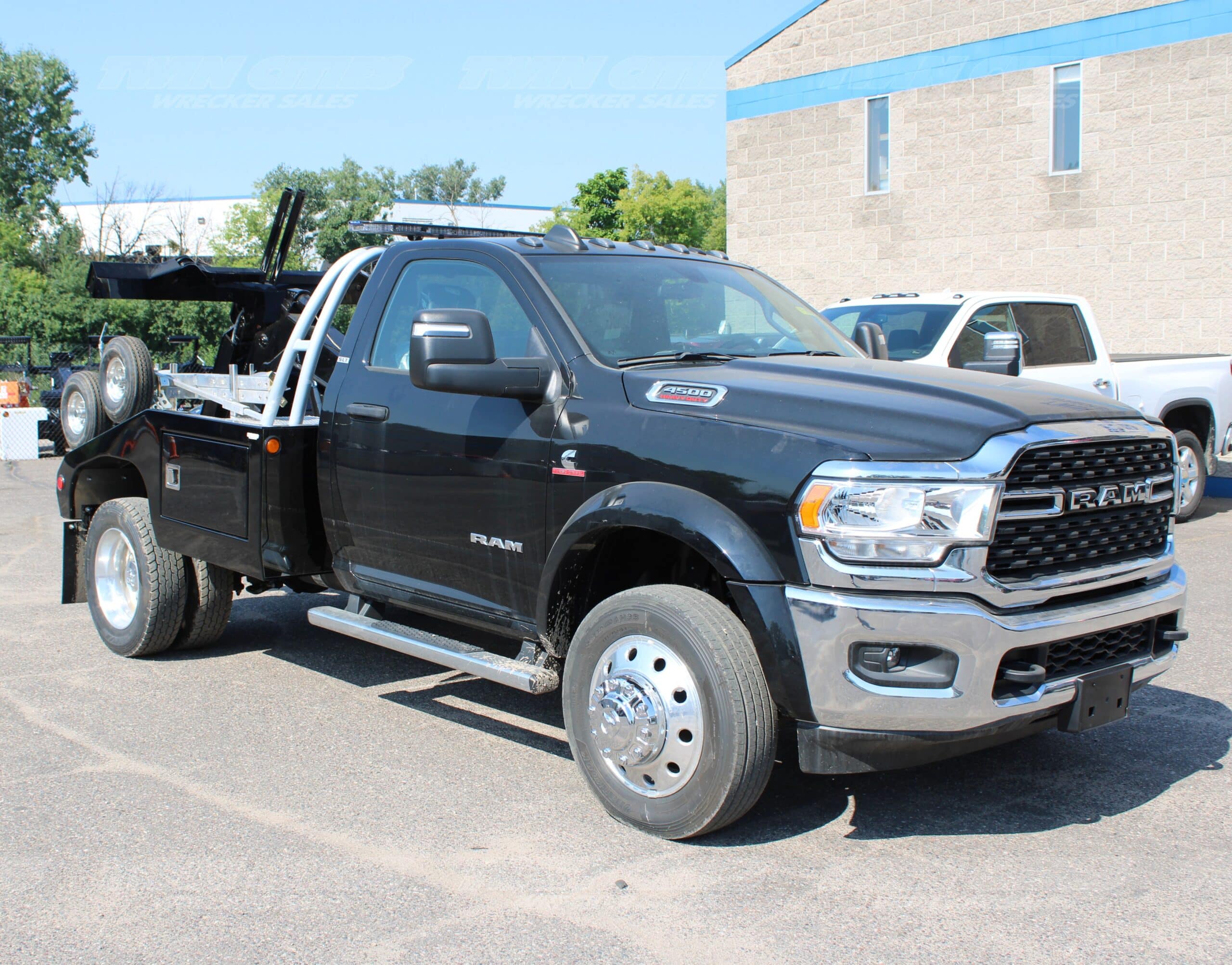
Essential Tow Truck Fleet Maintenance Tips for Longevity and Performance
March 26, 2026
Operating a recovery business in Minnesota means your equipment faces some of the harshest conditions in the country. From sub-zero startups to road salt corrosion, your fleet takes a beating every time it leaves the yard. Keeping your wreckers on the road requires more than just fixing things when they break. It demands a proactive strategy that anticipates issues before they turn into expensive repairs. These tow truck fleet maintenance tips are designed to help you protect your investment and ensure your drivers can answer every call with confidence.
Master Your Commercial Truck Maintenance Schedule
The difference between a profitable fleet and a money pit often comes down to consistency. Reactive maintenance might seem like a cheaper option for getting vehicles back on the road, but it usually leads to catastrophic failures at the worst possible times. A reliable commercial truck maintenance plan starts with strict adherence to manufacturer guidelines for engine and transmission care.
You need to track engine hours alongside mileage. Wreckers spend a significant amount of time idling or running PTOs while stationary. This puts wear on the engine that the odometer does not reflect. Oil changes, filter replacements, and fluid checks must be calculated based on total engine run time to ensure the powertrain stays healthy. Neglecting this “hidden” wear is a common reason for premature engine failure in recovery vehicles.
Focus on Hydraulics to Aid in Reducing Tow Truck Downtime
Your truck’s engine might get it to the scene, but the hydraulic system does the actual work. A failure here renders even the most powerful chassis useless. One of the most effective strategies for reducing tow truck downtime is a daily inspection of hydraulic lines and cylinders.
Tow Truck Hydraulic Inspection Tips
Look for weeping hoses or crimps that look stressed. In cold weather, hydraulic hoses become stiff and brittle, making them more susceptible to cracking. Check your hydraulic fluid levels regularly and ensure you are using the correct viscosity for the season. Using a fluid that is too thick in winter causes cavitation and pump damage, while fluid that is too thin in summer reduces lifting power.
Pay close attention to the Power Take-Off (PTO) unit. Listen for unusual whining or grinding noises during engagement. These sounds often indicate that the mounting bolts are loose or the internal gears are wearing out. Catching a loose PTO early is a simple fix, but ignoring it can lead to a destroyed transmission case.
Protect the Undercarriage to Extend Heavy-Duty Truck Lifespan
Rust is the silent killer of fleet vehicles in the Midwest. The chemicals used to clear icy roads are aggressive and will eat through frame rails, cross members, and electrical connections if left unchecked. To maximize the lifespan of heavy-duty trucks in your fleet, you must be aggressive about cleaning and sealing the undercarriage.
Undercarriage Cleaning Tips
Wash your trucks frequently during the winter months, paying special attention to the nooks and crannies where salt-laden slush accumulates. Apply a corrosion inhibitor to the frame rails, hydraulic fittings, and electrical harnesses. This protective barrier prevents oxidation and keeps critical structural components sound.
Winch Cable Inspection
Don’t forget the winch cables. They are often overlooked until they snap. Inspect wire ropes for kinks, fraying, or crushing. A compromised cable is a major safety hazard. Lubricate them according to the manufacturer’s specifications to prevent internal rust that weakens the core of the cable.
Empower Drivers to Perform Thorough Inspections
Your drivers are the first line of defense against mechanical failure. They know how the truck feels when it is running right and can sense when something is off. Encourage a culture where pre-trip and post-trip inspections are taken seriously.
Create a simple checklist that covers lights, tires, fluid leaks, and deck operation. When a driver reports a vibration or a strange noise, trust their experience and investigate it immediately. Addressing a small hydraulic leak today prevents a roadside spill and a specialized cleanup bill tomorrow.
By implementing these tow truck fleet maintenance tips, you ensure that your fleet remains reliable, safe, and ready to work. Consistent care keeps your trucks on the road generating revenue rather than sitting in the shop waiting for parts.
Keep Your Fleet Road-Ready
Maintaining a fleet of wreckers requires expertise and access to the right components. Whether you need hard-to-find replacement parts or professional maintenance and repair to keep your hydraulics operating at peak performance, having a partner who understands the recovery industry is invaluable. We are here to help you get the most out of your equipment so you can focus on serving your customers.