Buying a Tow Truck in 2026: The Critical Guide for Minnesota Operators
August 1, 2026
The towing business in Minnesota demands more than just a driver with a license. It requires equipment that can handle sub-zero starts, salt-covered highways, and the heaviest loads on the road. If you are looking to expand your fleet this year, the landscape looks different than it did even twelve months ago. Emissions standards are tightening, and supply chains are shifting. You need to be prepared before you sign on the dotted line. This guide will walk you through the essential considerations for purchasing a wrecker this year.
The Commercial Vehicle Regulatory Landscape in 2026
The trucking industry is bracing for significant changes. While 2027 is the big year for new EPA emissions standards, the ripple effects are already hitting the market in 2026. Many operators are rushing to secure vehicles now to avoid the complexity and cost increases associated with the upcoming engine generations.
You must stay informed about commercial truck regulations for 2026 and how they impact your fleet. Buying now might save you from the steeper price tags and unproven technology expected in the next model year cycle. It is vital to talk to a dealer who understands these shifts. They can help you decide if a current-year model is your best bet for long-term reliability and compliance without breaking your budget.
Expectations for New Tow Truck Delivery Timelines
We all remember the supply chain chaos of the last few years. Fortunately, the situation has improved, but you cannot bank on instant delivery for custom builds. The lead times for new tow trucks have stabilized, yet they remain longer than pre-pandemic norms.
If you need a specific chassis or a custom body configuration, you should start the conversation months before you actually need the truck on the road. Waiting until a truck in your current fleet breaks down to order a replacement is a risky strategy. Plan your fleet rotation early. This proactive approach ensures you get the exact specs you need rather than settling for whatever is sitting on a lot.
Your 2026 Buying a Tow Truck Checklist
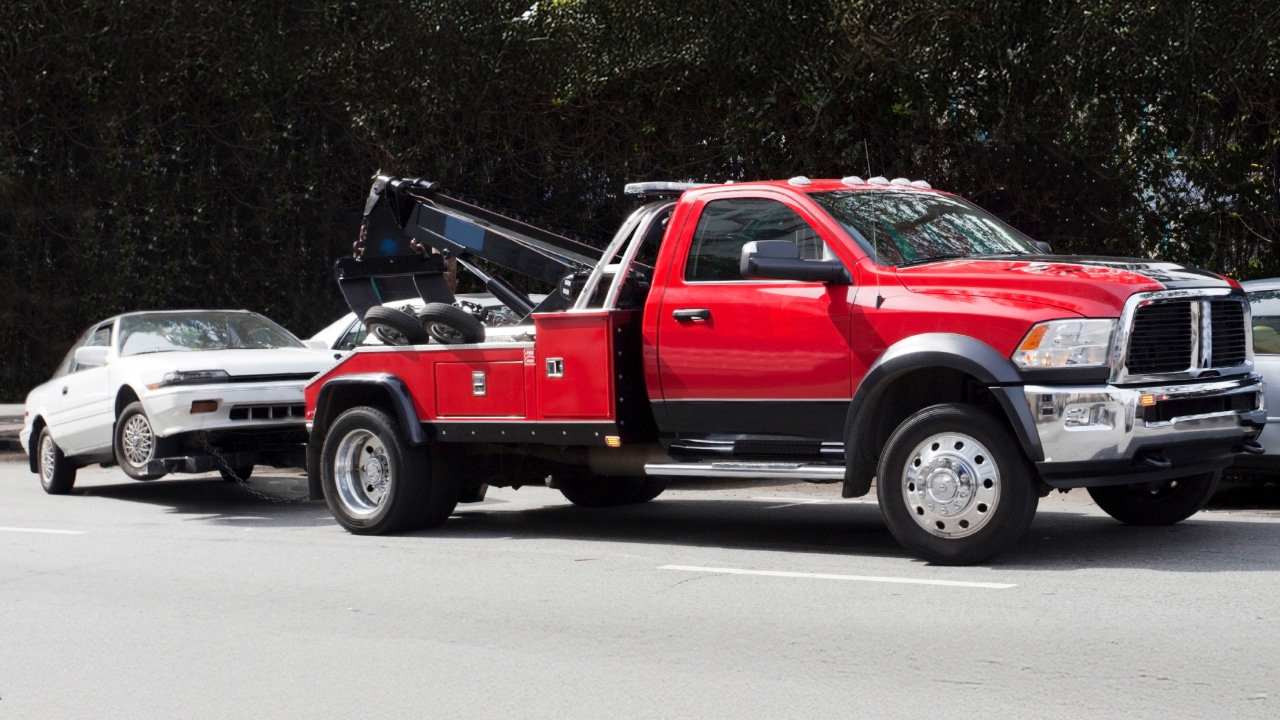
A disciplined approach prevents buyer’s remorse. Whether you are looking at a light-duty rollback or a heavy-duty rotator, use this checklist for new tow truck purchases to help guide the process.
- Define the Primary Use: Do not buy more truck than you need, but never buy less. If you primarily haul heavy equipment, a light-duty chassis will fail you. Match the Gross Vehicle Weight Rating (GVWR) to your daily reality.
- Inspect the Chassis and Body: Look for corrosion resistance features. In Minnesota, rust is the enemy. Aluminum bodies offer weight savings and corrosion resistance, while steel offers durability for abusive environments.
- Review Wrecker Dealer Warranty Options: A truck is a revenue-generating tool. If it sits in the shop, you lose money. Verify that your dealer offers robust warranty support that covers both the chassis and the wrecker body.
- Check Parts Availability: Confirm that the dealer stocks essential replacement parts. You cannot afford to wait weeks for a hydraulic hose or a winch cable.
- Test the Hydraulics: On used units, cycle the boom and wheel lift. Watch for smooth operation and listen for straining pumps.
- Verify Compliance: Ensure the truck meets all local and federal lighting and safety standards.
Support After the Sale
The purchase price is only one part of the equation. The real value of a wrecker comes from the support you receive after you drive off the lot. You need a partner who can handle the rough reality of towing. A dealership with a dedicated service and body shop is invaluable when you need collision repair or a mid-life refurbishment.
Access to a well-stocked parts department is equally critical. When a cylinder blows in the middle of a winter rush, you need a local source that can get you back up and running immediately.
Partner With Minnesota’s Experts
Expanding your fleet is a major investment. You deserve a partner who knows the industry inside and out. We have been serving the Upper Midwest for generations, and we understand what it takes to keep a fleet moving in this climate. Take a look at our current inventory of wreckers to see what we have ready for you. Our team is here to answer your questions and help you find the right rig for the job.